Why Is My Dog Shedding So Much? (And What Actually Helps)

Excessive shedding is one of the most common complaints from dog owners. Daniella explains the real causes - and the products that actually reduce it.
Is Shedding Normal?
Yes - all dogs shed, even so-called "hypoallergenic" breeds. Shedding is how dogs remove old, damaged, or dead hair. The amount varies enormously by breed: Siberian Huskies and German Shepherds shed year-round in large quantities, while Poodles and Bichon Frises shed minimally. If your dog has always been a heavy shedder, that's likely just their breed.
The concern is when shedding suddenly increases or becomes patchy - that can signal an underlying health issue.
Common Causes of Excessive Shedding
Seasonal shedding is the most common cause. Most dogs blow their coat twice a year - in spring (shedding their winter coat) and in fall (shedding their summer coat). During these periods, shedding can increase dramatically for 2-4 weeks.
Poor nutrition is the second most common cause. A diet deficient in omega-3 fatty acids, protein, or zinc leads to a dry, brittle coat that sheds excessively. If you recently switched foods and noticed increased shedding, the new food may be the culprit.
Stress triggers shedding in many dogs. Vet visits, travel, loud noises, and changes in routine can all cause temporary increases in shedding. This is a physiological stress response, not a grooming problem.
Skin conditions - allergies, fungal infections, mange, and hypothyroidism - can all cause excessive or patchy shedding. If shedding is accompanied by itching, redness, bald patches, or skin changes, see your vet.
What Actually Helps
Regular brushing is the single most effective way to manage shedding. Brushing removes loose hair before it ends up on your furniture and stimulates the skin to produce natural oils that keep the coat healthy. For heavy shedders, brush daily during shedding season and 2-3 times per week otherwise.
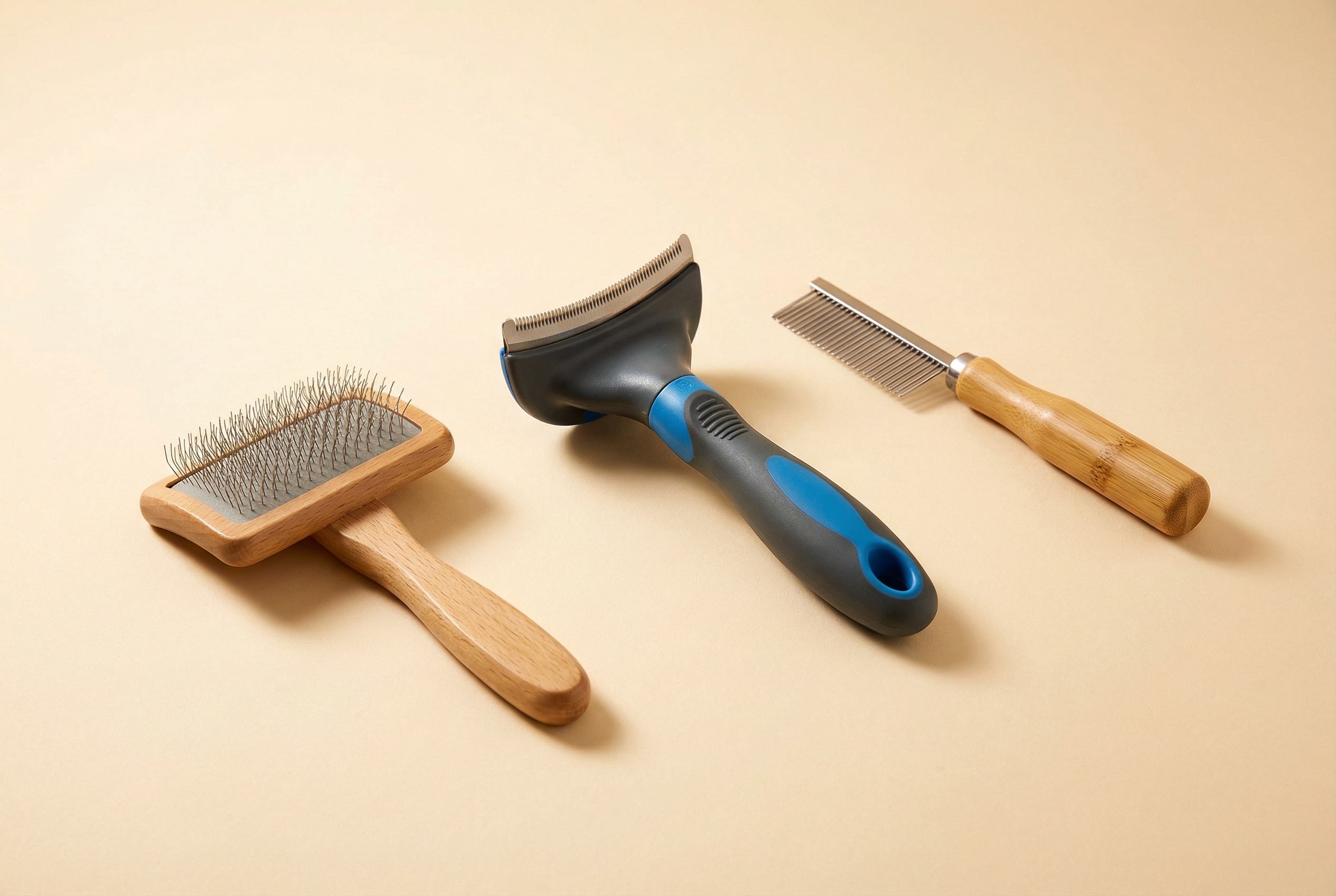
The FURminator Deshedding Tool is the most effective brush for heavy shedders - it reaches through the topcoat to remove loose undercoat hair. It can reduce shedding by up to 90% with regular use.
Omega-3 fatty acid supplementation (fish oil) is the most evidence-backed nutritional intervention for shedding. EPA and DHA reduce skin inflammation and support the hair follicle cycle, resulting in a healthier coat that sheds less. Nordic Naturals Omega-3 Pet is the best option - third-party tested and made from wild-caught fish.
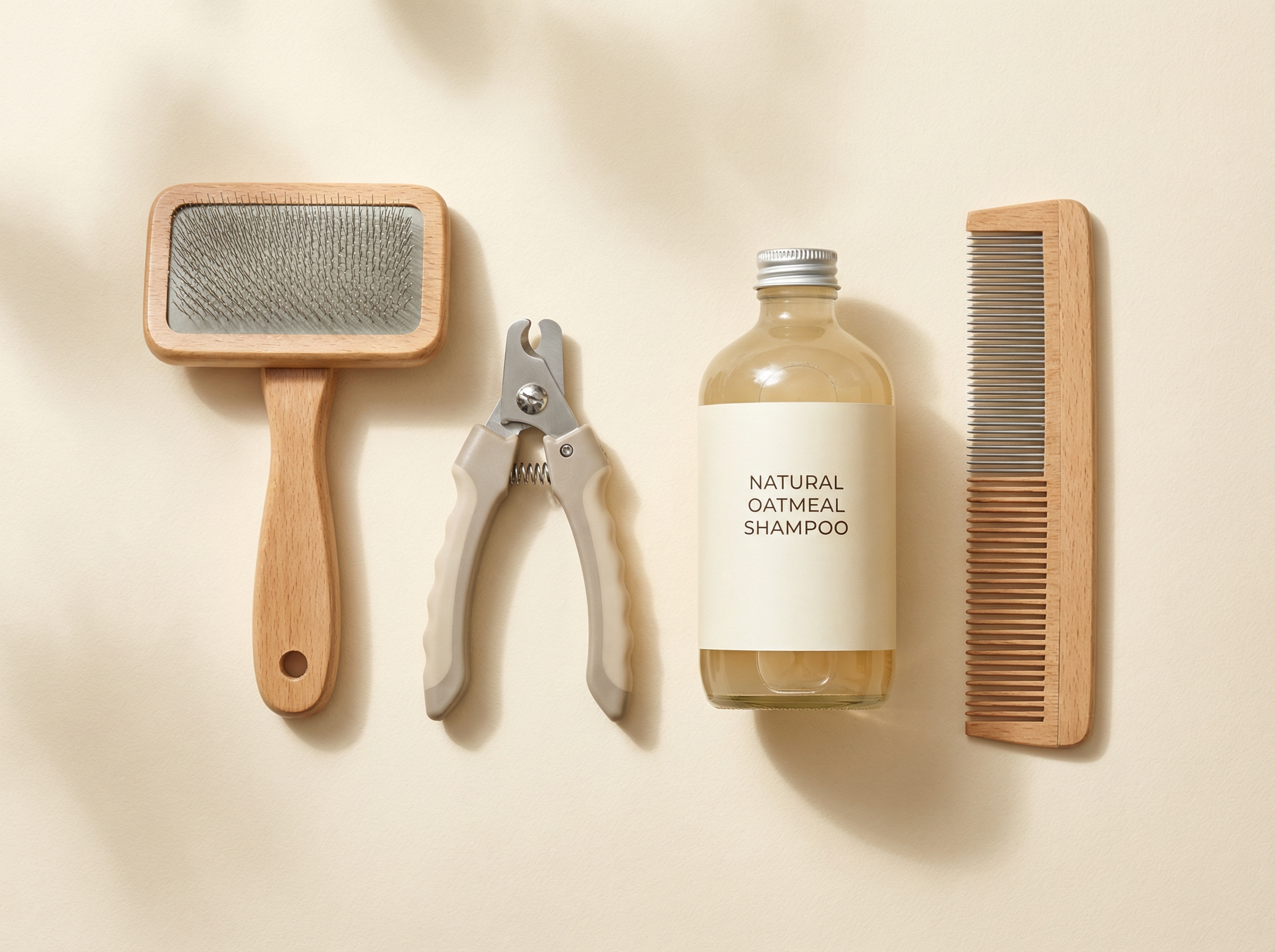
Regular bathing (every 4-6 weeks) loosens dead hair and removes allergens and debris from the coat. Use a deshedding shampoo during shedding season for best results.
When to See a Vet
See your vet if shedding is accompanied by bald patches, red or irritated skin, excessive scratching, changes in coat texture, or if your dog seems unwell. These can signal thyroid disease, Cushing's disease, allergies, or skin infections - all of which require veterinary treatment.
The Bottom Line
For most dogs, heavy shedding is normal and manageable with regular brushing, a quality diet, and omega-3 supplementation. Invest in a good deshedding tool (the FURminator is worth every penny) and add fish oil to your dog's diet - you'll notice a difference within 4-6 weeks.
Products Daniella Recommends

Affiliate links — we may earn a commission at no extra cost to you. Disclosure