When Should You Start Training Your Puppy?

Different dogs have different intelligence levels. But when it comes to training, the timing matters as much as the method. Here's what the experts say.
When people ask me when they should start training their new puppy my answer is always the same: the very second that little furball waddles through your front door. I know what you are thinking. They are so tiny! They are just babies! Can they even learn anything yet? Trust me as a mini dachshund mom who has been through the puppy whirlwind more than once it is never too early to start building those good habits.
In the past people used to say you should wait until a puppy is six months old to start formal training. But that is old school thinking. By the time a dog is six months old they have already learned a lot of things—and if you havent been guiding them they might have learned some things you really dont like. Modern veterinary science and groups like the American Kennel Club now agree that the most critical time for a puppys development is between 8 and 16 weeks of age. This is what we call the golden window of socialization and it is the absolute best time to start training.
The Golden Window: 8 to 16 Weeks
This early stage is all about two things: building a relationship and creating structure. Before you even worry about fancy tricks you want your puppy to feel safe and secure with you. This is the time when their little brains are like sponges soaking up every single experience.
Socialization is Training Too
When we think of training we often think of sit and stay but at 8 weeks old socialization is actually the most important training you can do. This means exposing your puppy to all the sights and sounds of the world in a positive way. I remember taking my little guy out in a puppy sling before he had all his shots just so he could hear the traffic and see people in hats and glasses. You want them to learn that the world is a fun place not a scary one.
First Lessons in Impulse Control
Even at 8 weeks your puppy can start learning basic impulse control. The very first thing I always teach is a simple sit. Think of it like teaching a child to say please. Instead of jumping up for their dinner bowl I ask my puppies to sit before I put the food down. It is a small thing but it sets the stage for a lifetime of good manners.
The Six Month Milestone
By the time your puppy hits the six month mark they should have a pretty good handle on the basics. This is usually when that puppy energy really starts to kick in so you want to make sure you have these foundations solid.
Polite Play and No Biting
Teething is a real struggle for puppies and their owners! By six months your puppy should know exactly what is okay to chew on and what is off limits. I always keep a variety of textures on hand—soft plushies for snuggling and tough rubber toys like the Kong Puppy Bouncer for serious chewing. If those little needle teeth touch your skin or clothes the game stops immediately. They learn fast that polite play keeps the fun going.
Potty Training and Crate Success
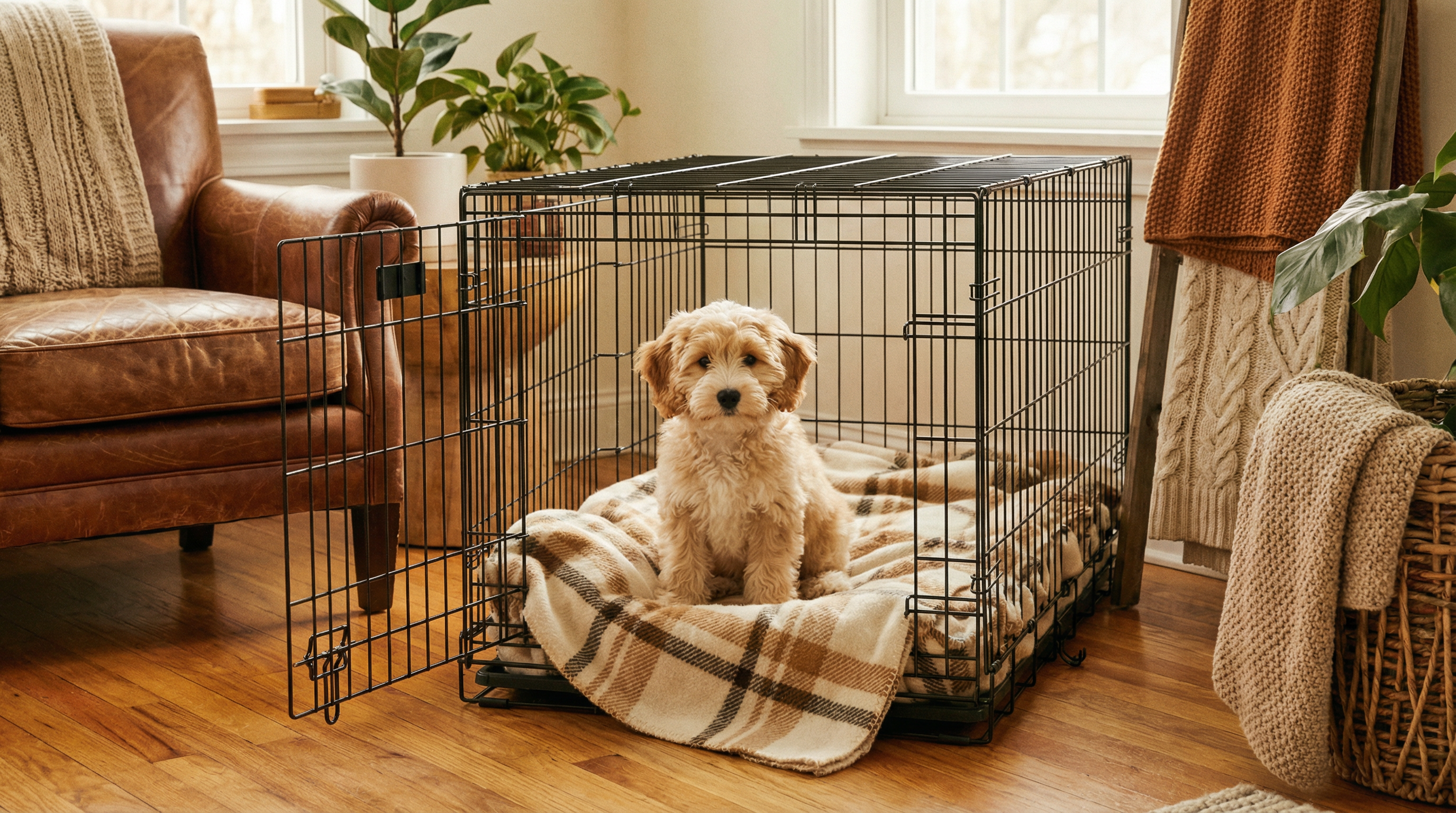
Housetraining is often the biggest hurdle for new owners. By six months your puppy should be making steady progress and having fewer accidents. Consistency is the absolute key here. I also highly recommend crate training. It gives your puppy a safe den of their own and helps them learn to be calm when they are alone which is so important for preventing separation anxiety later on.
Moving Toward the One Year Mark
As your puppy approaches their first birthday you are moving from puppy basics to real mastery. This is the time to proof those behaviors in different environments.
The Essential Skill List
By one year old I like to see a dog who can handle the big three: a reliable recall, loose leash walking, and a solid stay even when things are busy around them. Coming when called is a literal lifesaver so we practice this every single day with high value rewards. I am a huge fan of using air dried treats like Ziwi Peak because they are smelly and delicious enough to get any dogs attention even at a busy park.
Is It Ever Too Late?
If you have an older dog and feel like you missed the boat dont worry! While the puppy months are the easiest time to build a foundation dogs can learn at any age. It might take a bit more patience to undo some old habits but with positive reinforcement and plenty of love you can absolutely teach an old dog new tricks.
Takeaways for New Puppy Parents
The most important thing to remember is to keep it positive. Use treats, praise, and play to show your puppy what you want them to do. If you start early and stay consistent you will end up with a well behaved companion who is a joy to live with.
- Start training the day you bring them home (usually 8 weeks).
- Focus on socialization and confidence building first.
- Use positive reinforcement—never punishment.
- Keep training sessions short (5-10 minutes) and fun.
- Be patient! They are just babies and they will get there with your help.
Training isnt just about obedience; it is about building a bond that will last a lifetime. So grab some treats and get started today!
References
[1] AKC Puppy Training Timeline: https://www.akc.org/expert-advice/training/puppy-training-timeline-teaching-good-behavior-before-its-too-late/
[2] PetMD Puppy Training Guide: https://www.petmd.com/dog/general-health/when-start-training-puppy
[3] Ziwi Peak Air-Dried Dog Treats: https://www.ziwipets.com/
[4] Kong Puppy Toys: https://www.kongcompany.com/dog/product-type/puppy
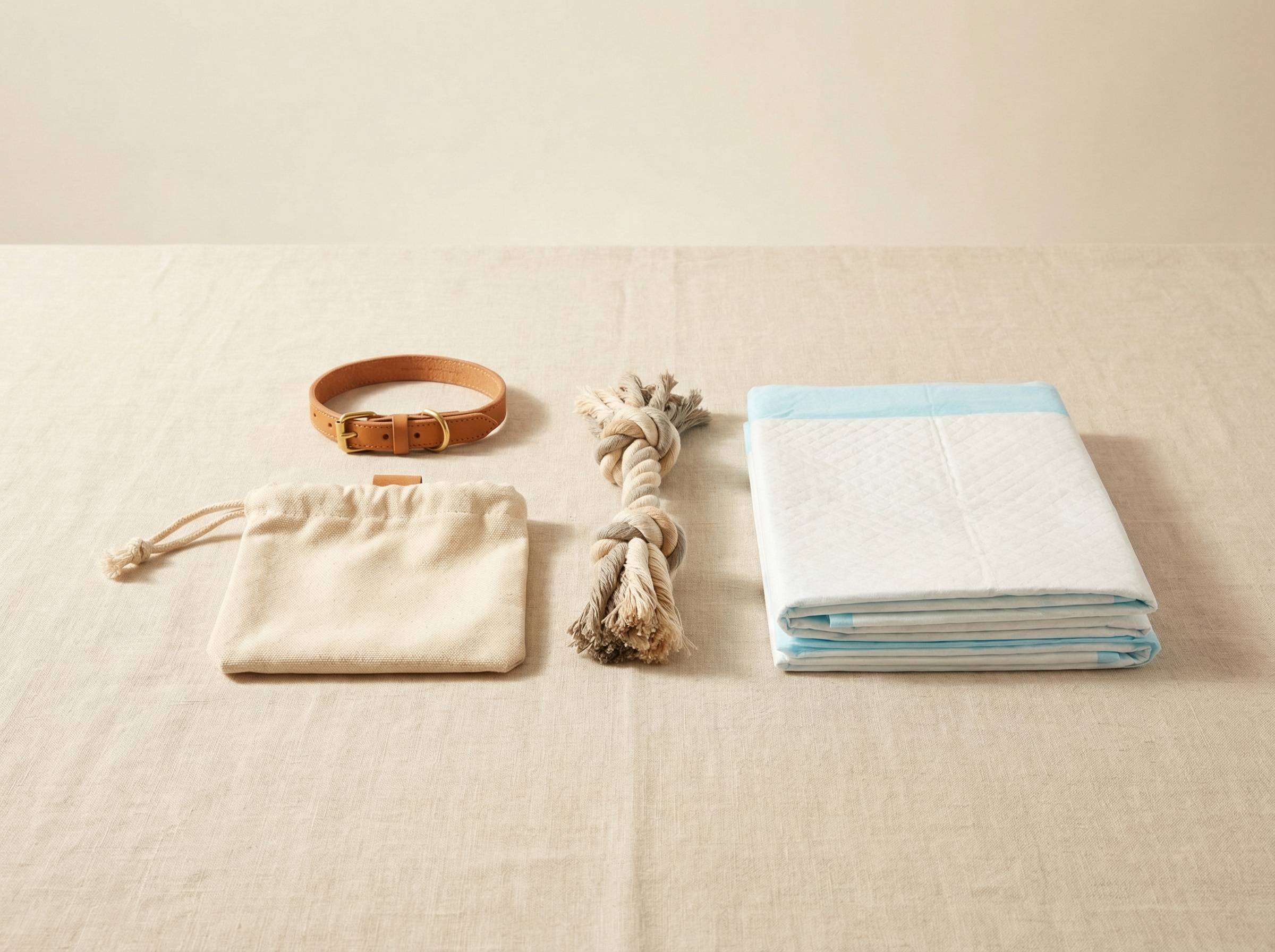
Products Daniella Recommends

Affiliate links — we may earn a commission at no extra cost to you. Disclosure