Living vs Existing

Mochi is my 14-year-old craigslist mini dachshund. He entered my life at 7, and watching him age has taught me something profound about living fully.
I was sitting on the porch last Tuesday, watching my senior girl sniff her way through the garden, when it hit me. There is a world of difference between a dog who is simply alive and a dog who is truly living. As a mini dachshund mom here in Miami, Florida, I have spent years obsessing over every whisker and wag, but as our pups get older, the line between existing and thriving can get a little blurry. We all want our dogs to be with us forever, but as we navigate 2026, the conversation in the veterinary world has shifted from just adding years to their life to adding life to their years.
It is easy to fall into a routine where we check the boxes: fed, walked, petted. But is that enough for a soul that gives us everything? I have been diving deep into the latest research on canine longevity and quality of life, and I wanted to share what I have learned about making sure our furry best friends are actually enjoying their sunset years.
The HHHHHMM Scale: A Heartfelt Check-In
One of the most powerful tools I have come across is the HHHHHMM scale, which vets are using more than ever this year to help us look past our own hopes and see the reality of our dogs' daily lives. It stands for Hurt, Hunger, Hydration, Hygiene, Happiness, Mobility, and More Good Days Than Bad. When I first heard about it, I thought it sounded a bit clinical, but it is actually a beautiful way to honor our dogs.
For example, when we look at Happiness, we are not just asking if they are wagging their tail when we come home. We are asking if they still seek out play, if they are responsive to the family, and if they seem depressed or isolated. Mobility is another big one. In 2026, we have so many options for joint support, from advanced supplements to custom braces, but we have to be honest about whether our dogs can still get up and move comfortably. If a dog is spending twenty-three hours a day in the same spot, they might just be existing.
Enrichment Is Not Just for Puppies
There is a common myth that senior dogs just want to sleep all day. While they definitely appreciate a good nap in a sunbeam, their brains still crave engagement. Modern veterinary science has shown that structured daily enrichment can significantly improve cognitive function in aging dogs. This is not about teaching them to jump through hoops; it is about giving them "sniffathons."
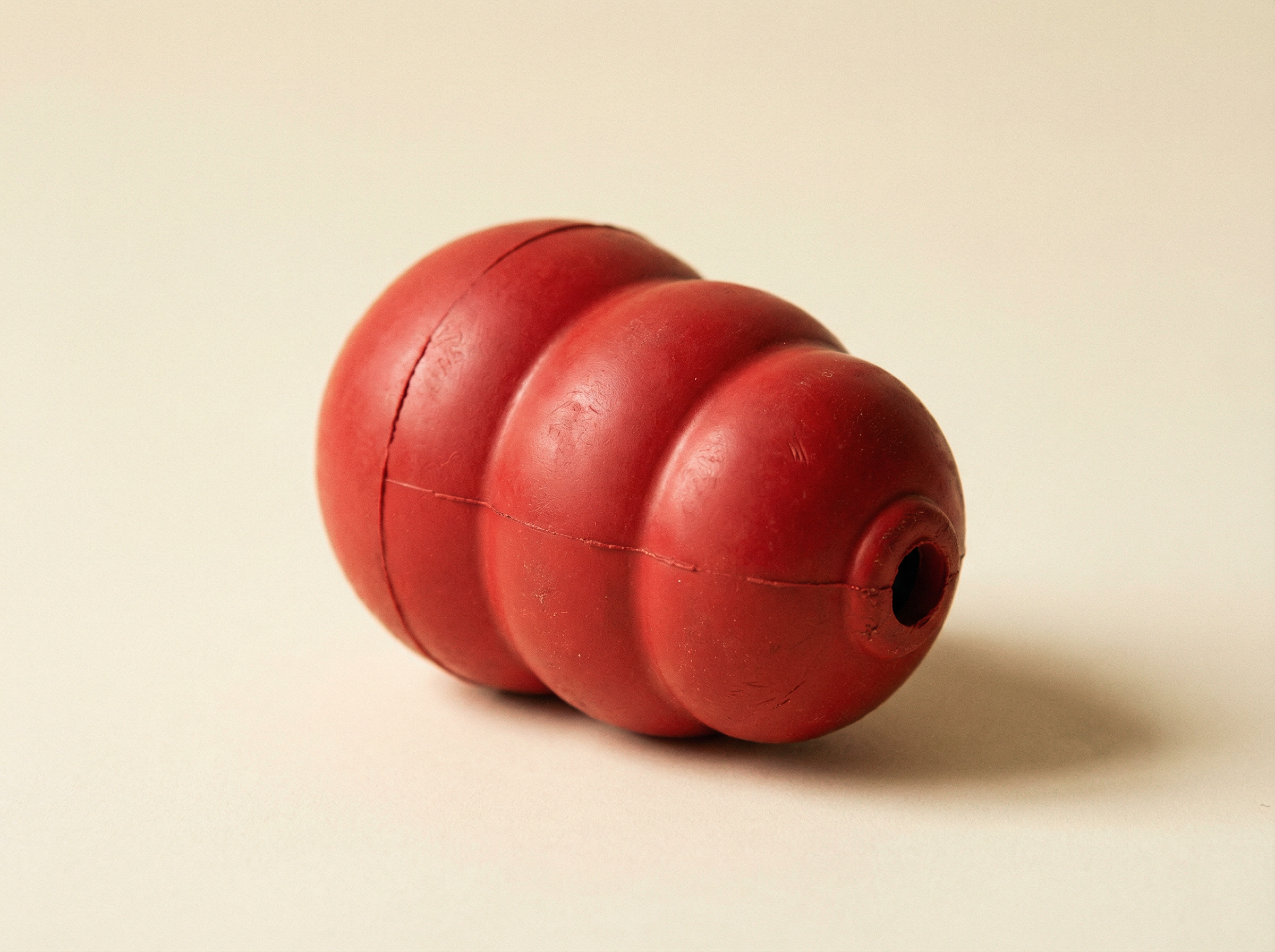
I have started taking my girl on what I call "Slow Walk Adventures." We go to the same park, but instead of trying to hit a certain mileage, I let her sniff every single blade of grass for as long as she wants. For a dog, sniffing is like reading the morning news. It keeps their mind sharp and their heart happy. Indoors, we have swapped the high-intensity fetch for snuffle mats and low-impact puzzle toys. Seeing her figure out how to get a treat out of a silicone honeycomb is just as rewarding as seeing her chase a ball used to be.
Signs Your Dog Is Thriving in 2026
So, how do you know if you are getting it right? Thriving looks different for every dog, but there are some universal signs. A thriving dog has a "bright" expression—they are observant and curious about their environment. They have a healthy appetite, but more importantly, they show excitement for mealtime. They still have social rituals, whether it is a specific way they greet you or a favorite spot they like to sit in when the family is together.
On the flip side, a dog that is just existing might show signs of "fading." This could be a lack of interest in things they used to love, persistent lethargy that goes beyond normal aging, or a coat that has lost its luster. It is important to remember that many of these signs can be managed with the help of a vet. We are living in an era where canine palliative care is incredibly sophisticated, and often, a small adjustment in pain management or diet can move a dog from existing back into the thriving category.
Actionable Takeaways for a Thriving Senior
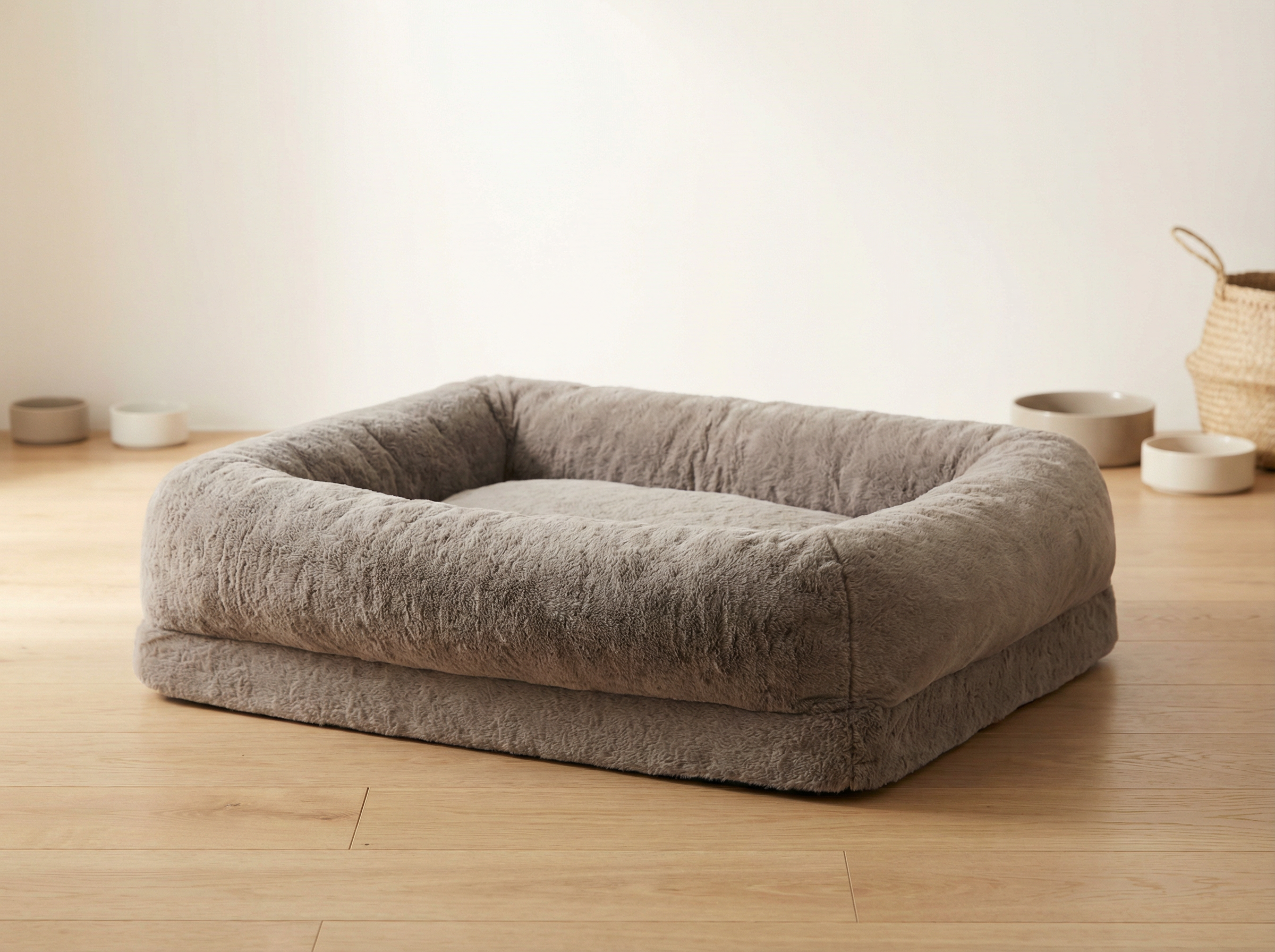
If you are worried that your pup is just going through the motions, here are a few things you can do today to spark some joy in their life. First, audit their environment. Are their water bowls easy to reach? Is their bed supportive enough for aging joints? Sometimes a simple ramp or a non-slip rug can give a senior dog a whole new sense of independence.
Second, prioritize mental stimulation. Five minutes of "scent work"—hiding treats around the living room—is often more tiring and fulfilling for a senior dog than a twenty-minute walk. Finally, keep a "Good Day Diary." It is so easy to focus on the bad moments, but tracking the wins—the times they played with a toy or asked for a belly rub—helps you see the bigger picture of their quality of life.
The Bottom Line
At the end of the day, our dogs do not need a lot to thrive. They need to be free from pain, they need to feel safe, and they need to feel like a part of our world. Whether you are in Miami, Florida like me or anywhere else, the goal is the same: to make sure that every day they are with us is a day they actually want to be here for. We owe it to these beautiful souls to ensure they are living, not just existing. Our Mini Dachshunds might get a little grayer and a little slower, but the love they have to give only grows stronger with time. Let's make sure we are giving that same level of care back to them.
Products Daniella Recommends

Affiliate links — we may earn a commission at no extra cost to you. Disclosure