How to Train a Dog: The Beginner's Guide Every New Owner Needs

Training your dog isn't about dominance or punishment - it's about communication. Daniella's beginner's guide covers the five essential commands every dog should know.
The Foundation: Positive Reinforcement
Modern dog training is built on positive reinforcement - rewarding the behaviors you want, ignoring or redirecting the behaviors you don't. This approach is more effective than punishment-based methods, faster, and doesn't damage your relationship with your dog.
The science is clear: dogs learn through consequences. When a behavior produces a reward (food, praise, play), the dog is more likely to repeat it. When a behavior produces nothing, the dog is less likely to repeat it. Punishment can suppress behavior, but it doesn't teach the dog what to do instead - and it creates fear and anxiety that interfere with learning.
The Five Essential Commands
1. Sit
"Sit" is the foundation of all training. Hold a treat close to your dog's nose, then slowly move your hand up - their bottom will lower as their head follows the treat. Once they're sitting, say "sit," give the treat, and praise. Practice 5-10 times per session, multiple times per day.
2. Stay
Once your dog knows "sit," teach "stay." Ask your dog to sit, open your palm toward them, say "stay," and take one step back. Return, reward, and release with "okay" or "free." Gradually increase the distance and duration over multiple sessions.
3. Come
"Come" (recall) is the most important safety command. Put your dog on a long leash, crouch down, say "come" in an excited voice, and reward enthusiastically when they reach you. Never call your dog to come for something unpleasant (bath, nail trim) - this poisons the recall.
4. Down
From a sitting position, hold a treat in your closed fist near your dog's nose, then slowly move your hand to the floor. Their elbows will hit the floor as they follow the treat. Say "down" as they lie down, then reward. "Down" is useful for keeping your dog calm in public or at the vet.
5. Leave It
"Leave it" prevents your dog from picking up dangerous objects. Hold a treat in your closed fist. When your dog stops pawing and sniffing at it, say "leave it" and reward with a different treat from your other hand. Gradually progress to treats on the floor, then to real-world objects.
Training Tools That Help
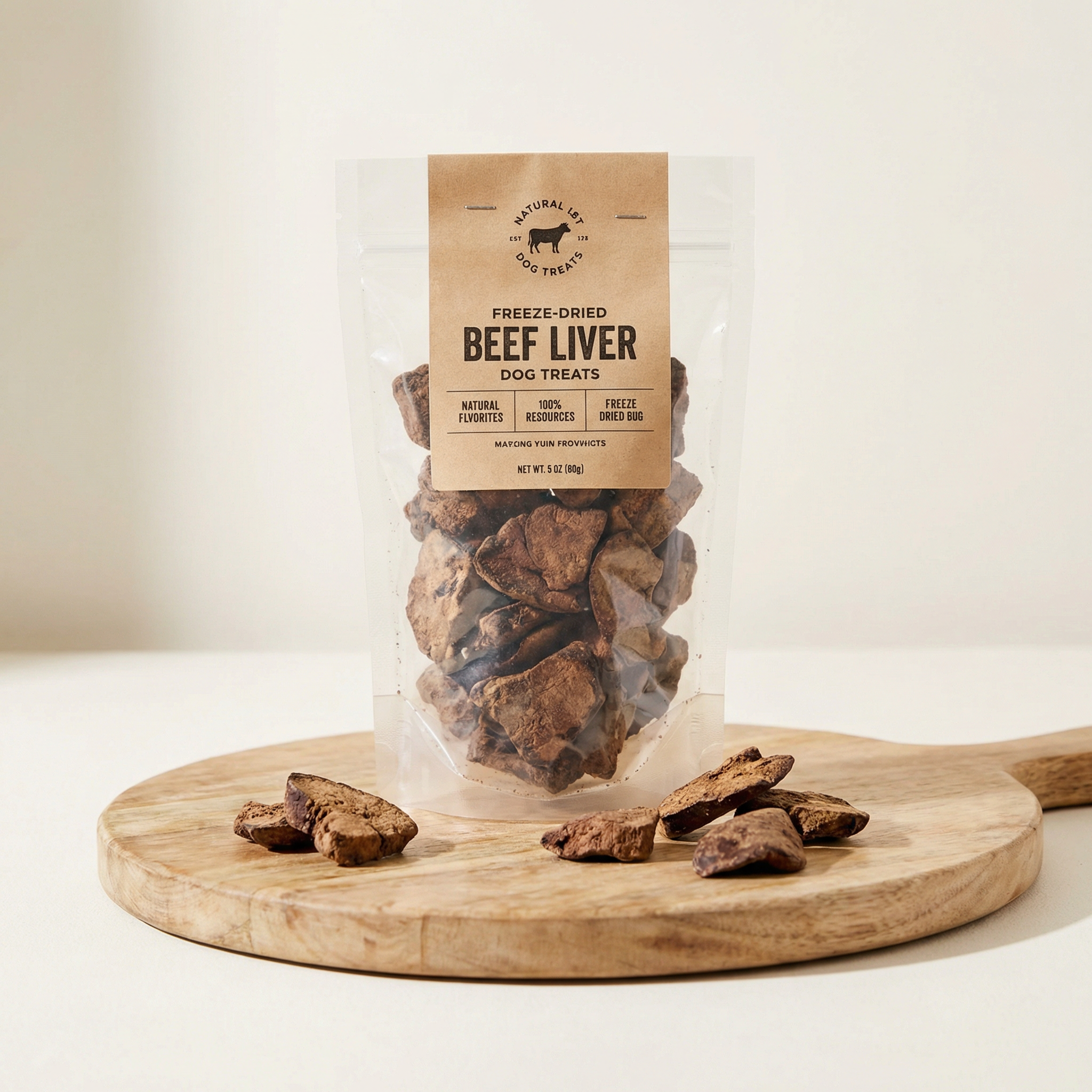
Training treats should be small (pea-sized), soft, and high-value. Zuke's Mini Naturals are the gold standard - small enough to give dozens of rewards per session without overfeeding, and dogs go crazy for them.
Clickers mark the exact moment your dog performs the correct behavior, which speeds up learning significantly. The PetSafe Clik-R is the most popular option - it has a button that's easy to click with one hand while the other holds treats.
A treat pouch keeps treats accessible during training sessions. The Doggone Good Rapid Reward Pouch clips to your waistband and opens and closes with one hand.
Training Tips for Success
Keep sessions short (5-10 minutes) and end on a success. Train before meals when your dog is motivated by food. Be consistent - use the same cue words every time. Train in different locations once your dog knows a command at home - dogs don't generalize well and need to practice in new environments.
The Bottom Line
Start with "sit" and "come" - these two commands alone will make your life significantly easier. Add "stay," "down," and "leave it" over the following weeks. Use high-value treats, be consistent, and keep it positive. Most dogs can learn all five commands within 4-6 weeks of daily practice.
Products Daniella Recommends

Affiliate links — we may earn a commission at no extra cost to you. Disclosure