How to Crate Train a Dog: A Step-by-Step Guide That Actually Works

Crate training done right gives your dog a safe, comfortable den - and makes your life much easier. Daniella shares the step-by-step method that worked for Mochi.
Why Crate Train?
A crate isn't a punishment - it's a den. Dogs are naturally den animals, and a properly introduced crate becomes a place your dog chooses to go for rest and security. Crate training also makes housebreaking dramatically easier (dogs instinctively avoid soiling their sleeping area), prevents destructive behavior when you can't supervise, and keeps your dog safe during travel.
The key word is "properly introduced." A dog forced into a crate and left there for hours will develop negative associations. Done gradually and positively, crate training typically takes 1-3 weeks.
Step 1: Choose the Right Crate
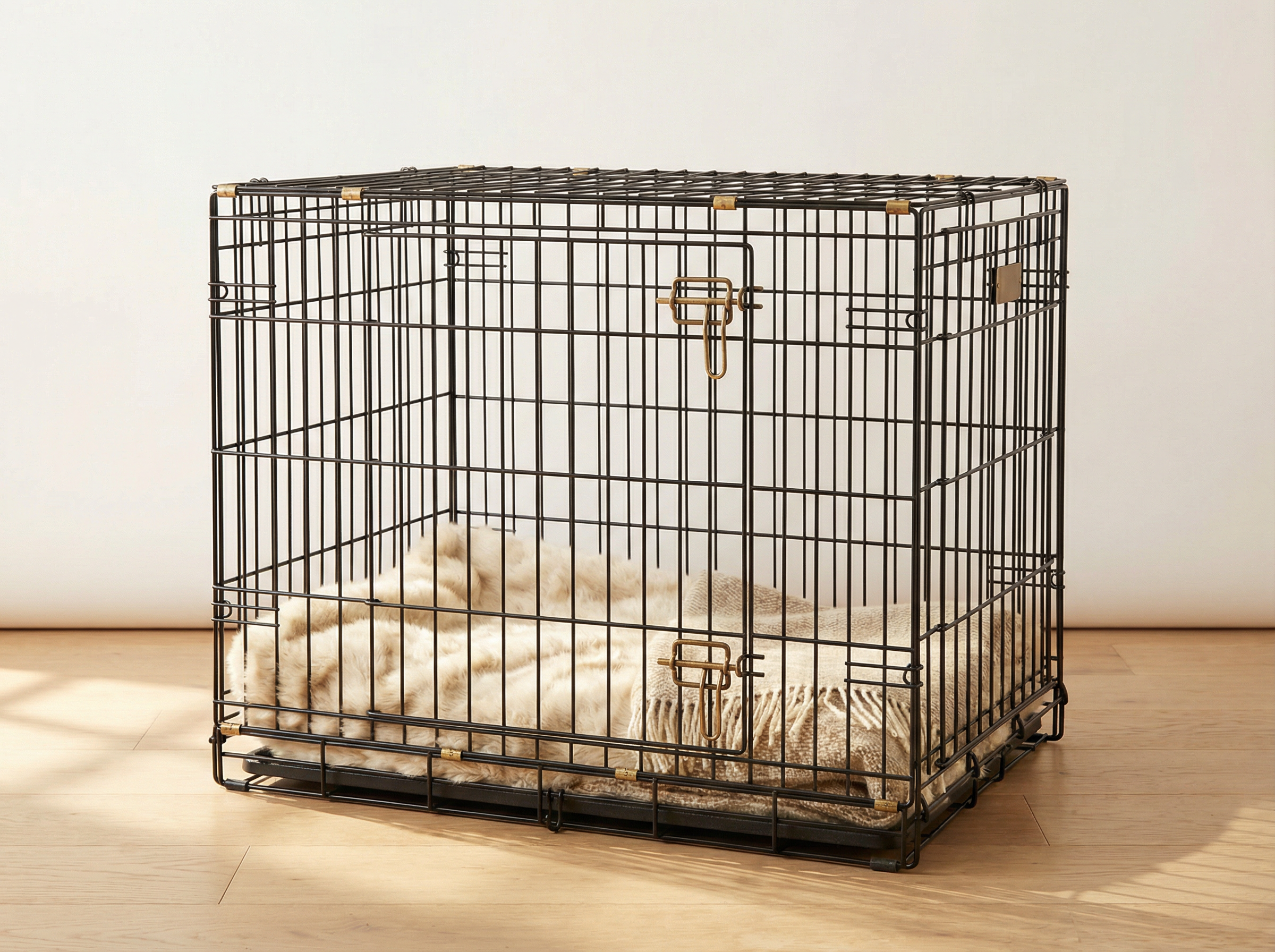
The crate should be large enough for your dog to stand up, turn around, and lie down comfortably - but not so large that they can use one end as a bathroom. For puppies, use a crate with a divider panel (like the MidWest iCrate) and expand it as your puppy grows.
Place the crate in a high-traffic area of your home - your dog wants to be near you, not isolated. Cover three sides with a blanket to create a den-like environment.
Step 2: Introduce the Crate Positively
Never force your dog into the crate. Start by leaving the door open and placing treats near, then inside, the crate. Let your dog investigate at their own pace. Toss treats inside and let your dog go in and come back out freely - don't close the door yet.
Do this for 2-3 days until your dog is comfortable entering the crate voluntarily.
Step 3: Feed Meals in the Crate
Once your dog is comfortable entering the crate, start feeding their meals inside it. Place the food bowl just inside the door initially, then gradually move it further back over several days. Close the door while they eat, then open it immediately when they finish. Gradually extend the time the door stays closed after eating.
Step 4: Extend Crate Time Gradually
Once your dog is eating comfortably in the crate with the door closed, start crating them for short periods while you're home. Use a cue word ("crate" or "bed"), lure them in with a treat, close the door, and stay in the room for 5-10 minutes. Gradually increase the duration over several days.
Step 5: Crate When You Leave
Once your dog can stay in the crate calmly for 30 minutes with you present, you can start crating them when you leave. Keep departures and arrivals low-key - no emotional goodbyes or excited greetings, which increase anxiety. Leave a Kong stuffed with frozen peanut butter or a chew to keep them occupied.
Common Problems and Solutions
Whining in the crate: Don't let your dog out when they're whining - this rewards the behavior. Wait for a brief pause in whining, then let them out. If whining is severe, you've moved too fast - go back a step.
Refusing to enter the crate: Go back to basics. Make the crate more appealing with high-value treats, a worn t-shirt that smells like you, or a comfortable bed. Never force your dog inside.
Soiling in the crate: The crate is too large (use a divider), or your dog is being left in too long. Puppies can only hold their bladder for roughly one hour per month of age.
How Long Can Dogs Stay in a Crate?
Adult dogs can stay in a crate for up to 8 hours overnight, but no more than 4-5 hours during the day. Puppies need to be let out every 1-2 hours during the day. Crating a dog for excessive periods causes anxiety, frustration, and behavioral problems.
The Bottom Line
Crate training requires patience, but it's one of the most valuable things you can do for your dog's safety and your peace of mind. Go slowly, keep it positive, and your dog will learn to love their crate.
Products Daniella Recommends
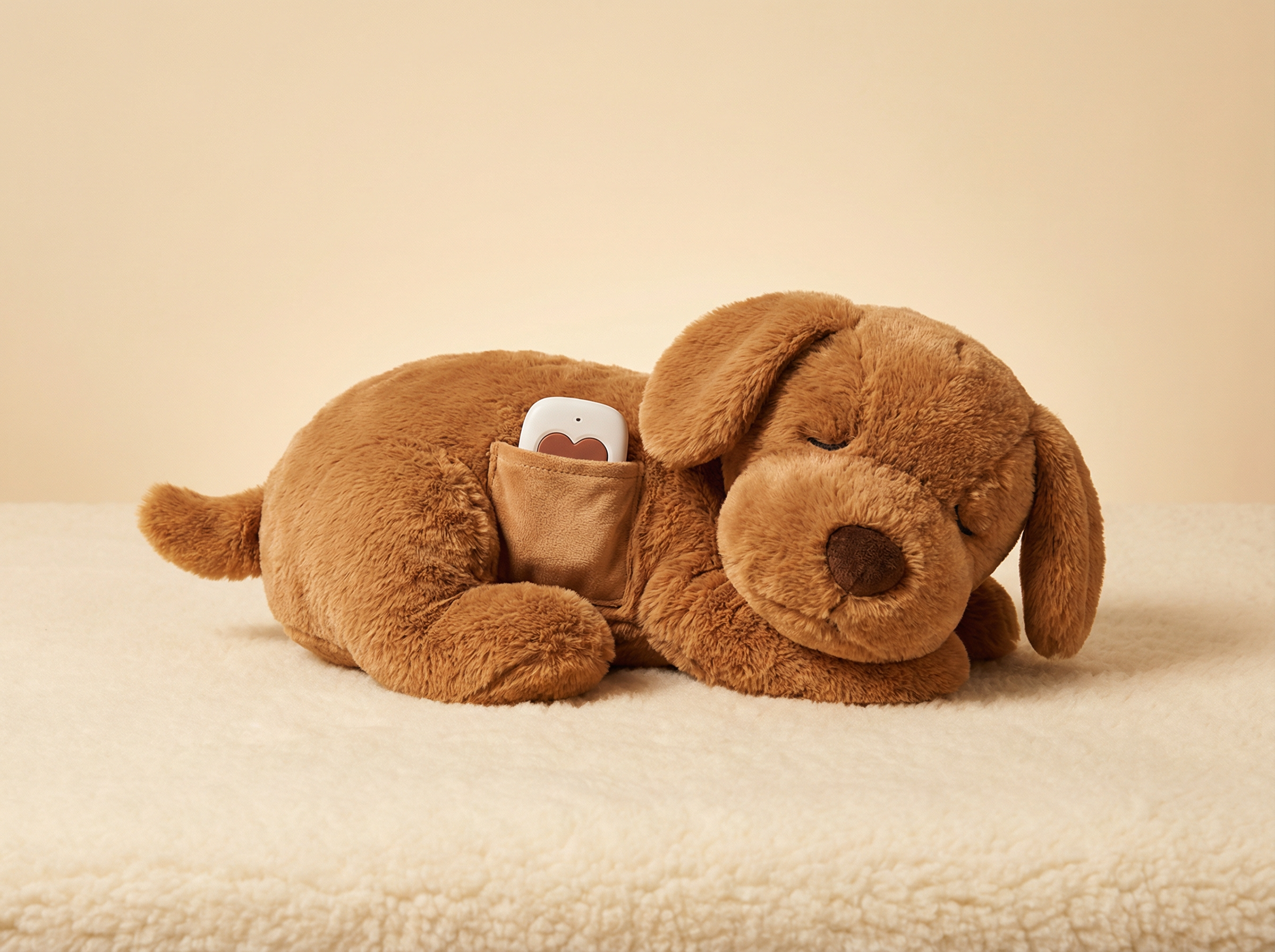
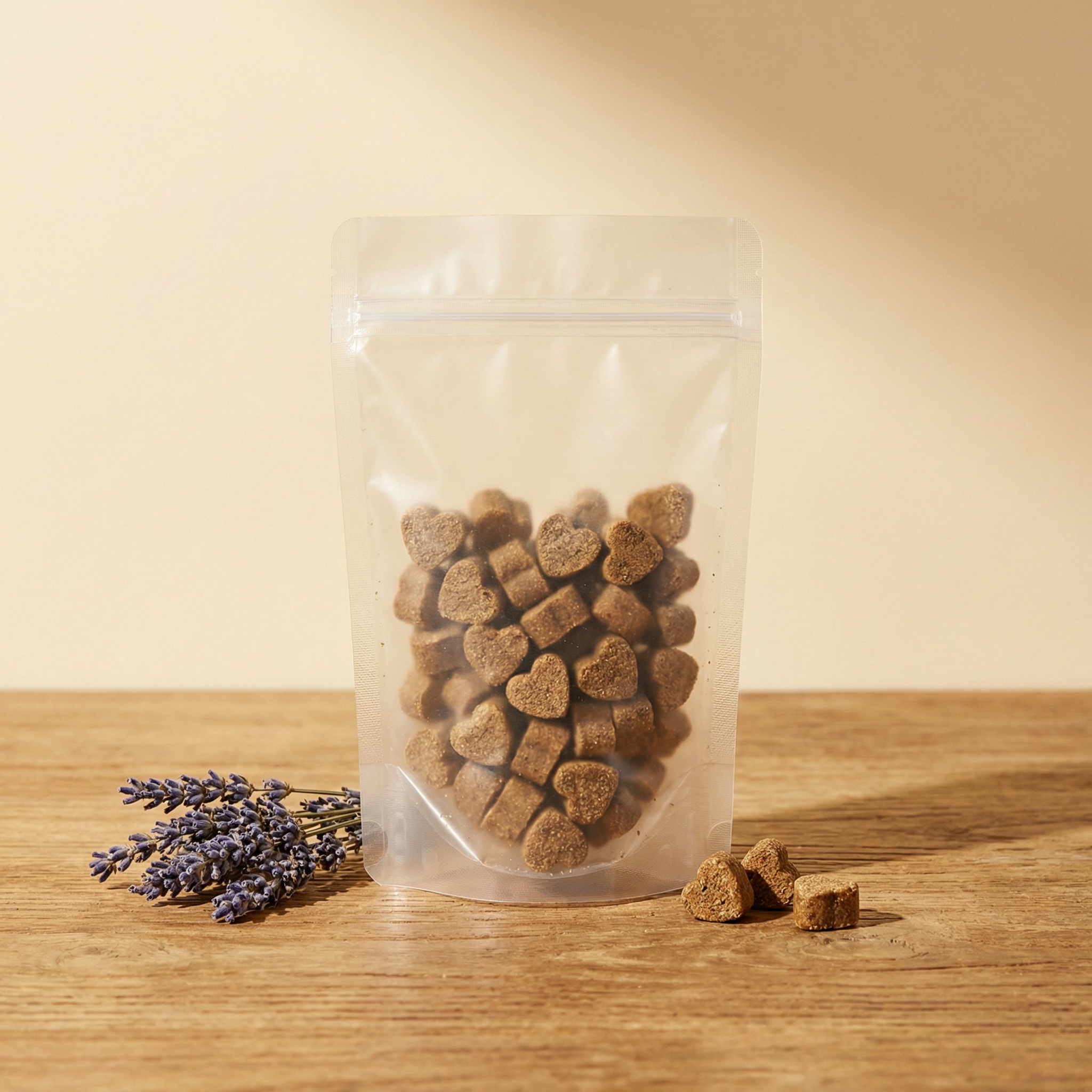
Affiliate links — we may earn a commission at no extra cost to you. Disclosure