German Shepherd vs. Belgian Malinois: Which Working Dog Is Right for You?

Discover the key differences between German Shepherds and Belgian Malinois in temperament, health, and intensity to find the right working dog for your life.
German Shepherd vs. Belgian Malinois: Which Working Dog Is Right for You?
Choosing a canine companion is a journey of matching lifestyles, and when it comes to high-performance working breeds, the stakes are remarkably high. For years, the German Shepherd has been the gold standard for protection, loyalty, and versatility. However, in recent years, the Belgian Malinois has surged in popularity, often appearing in high-profile military roles and Hollywood blockbusters. While they might look similar to the untrained eye, these two breeds offer vastly different experiences for their owners. As a Mini Dachshund owner myself, I’ve spent countless hours at the training field watching these majestic athletes work, and the differences are as clear as day.
Understanding the Origins: Herding Roots and Modern Specialization
Both the German Shepherd Dog (GSD) and the Belgian Malinois share a heritage as herding dogs, bred for endurance, intelligence, and the ability to work closely with humans. The German Shepherd, developed by Captain Max von Stephanitz in the late 19th century, was designed to be the ultimate all-purpose worker—strong, stable, and capable of performing any task from herding to police work.
In contrast, the Belgian Malinois is one of four varieties of Belgian Shepherd dogs. While the GSD was being refined for power and size, the Malinois was being honed for agility, speed, and an almost supernatural work ethic. Today, this specialization has led to two distinct "vibes" in the working dog world. The German Shepherd is often seen as the steady, powerful guardian, while the Malinois is the lightning-fast, high-intensity specialist.
Temperament and Intensity: The "GSD on Meth" Comparison
If you’ve spent any time in working dog circles, you’ve likely heard the Belgian Malinois described as a "German Shepherd on meth." While that’s a bit of an exaggeration, it captures the fundamental difference in their energy levels. A Belgian Malinois doesn't just have energy; they have an internal engine that never seems to hit the "off" switch. They are incredibly emotional and form what many trainers call a "needy" attachment to their handlers. They don't just want to be with you; they need to be working with you.
German Shepherds, while certainly high-energy and intelligent, tend to be more independent and laid-back in the home. A well-exercised GSD is usually happy to snooze at your feet while you work. A Malinois, on the other hand, might spend that time pacing, looking for a shadow to chase, or wondering why you aren't currently throwing a ball. This intensity makes the Malinois a favorite for Tier 1 military units, but it can make them a nightmare for a casual pet owner who isn't prepared for a dog that requires 24/7 engagement.
Trainability and the Learning Curve
Both breeds are among the most intelligent in the canine kingdom, but their learning styles differ significantly. German Shepherds are known for their "biddability"—their desire to please their owner. They are generally easier for an experienced owner to handle because they have a slightly longer attention span and a more stable temperament. However, they can have a stubborn streak, especially if they feel their handler isn't being clear or consistent.
The Belgian Malinois is a "Ferrari" of the dog world. They are incredibly sensitive and reactive to their handler's every move. This makes them capable of performing complex tasks with breathtaking speed, but it also means they have zero margin for error. If you make a mistake in training a Malinois, they will learn that mistake instantly. Their high prey drive and short attention span mean you have to be "on" every second you are working with them. For this reason, professional trainers often recommend the Malinois only for those who have extensive experience with high-drive working breeds.
Family Friendliness and Social Life
When it comes to living in a family environment, the German Shepherd generally has the upper hand. Their protective nature is tempered by a natural ability to distinguish between a threat and a friend, and they are typically more patient with children. A GSD often takes on the role of a "nanny dog" for their family, staying close and keeping a watchful eye on the household.
The Belgian Malinois can be a great family dog, but it requires a much higher level of management. Their high prey drive can sometimes be triggered by running children or fast-moving pets, leading to "nipping" or herding behavior that can be frightening or even dangerous if not properly channeled. Furthermore, because they are so intensely bonded to one person, they may not be as socially flexible as a German Shepherd when guests come over.
Health, Lifespan, and Physical Longevity
One of the most significant advantages of the Belgian Malinois is their overall health and longevity. Because they are lighter and more agile, they tend to have fewer orthopedic issues than the heavier, more sloped-back German Shepherds. A Malinois typically lives between 14 and 16 years, which is remarkable for a dog of their size.
German Shepherds, unfortunately, are prone to several serious health conditions. Hip and elbow dysplasia are common, especially in lines bred for "show" rather than work. They are also at risk for Degenerative Myelopathy (DM), a progressive spinal disease, and bloat (GDV), which is a life-threatening emergency. The average lifespan for a GSD is often cited as 7 to 10 years, though many well-cared-for individuals live to 12 or 13.
Comparison Table: At a Glance
| Feature | German Shepherd | Belgian Malinois |
|---|---|---|
| Average Weight | 50–90 lbs | 40–80 lbs |
| Lifespan | 7–10 years | 14–16 years |
| Energy Level | High | Extreme |
| Shedding | Heavy (Year-round) | Moderate to Heavy |
| Trainability | High (Biddable) | Very High (Intense/Sensitive) |
| Guard Dog Ability | Excellent (Visual deterrent) | Superior (High reactivity) |
| Family Suitability | Very Good (With socialization) | Moderate (Requires management) |
| Health Issues | Hip/Elbow Dysplasia, DM, Bloat | Hip Dysplasia, Eye issues, Anesthesia sensitivity |
Grooming and Maintenance: The "German Shedder"
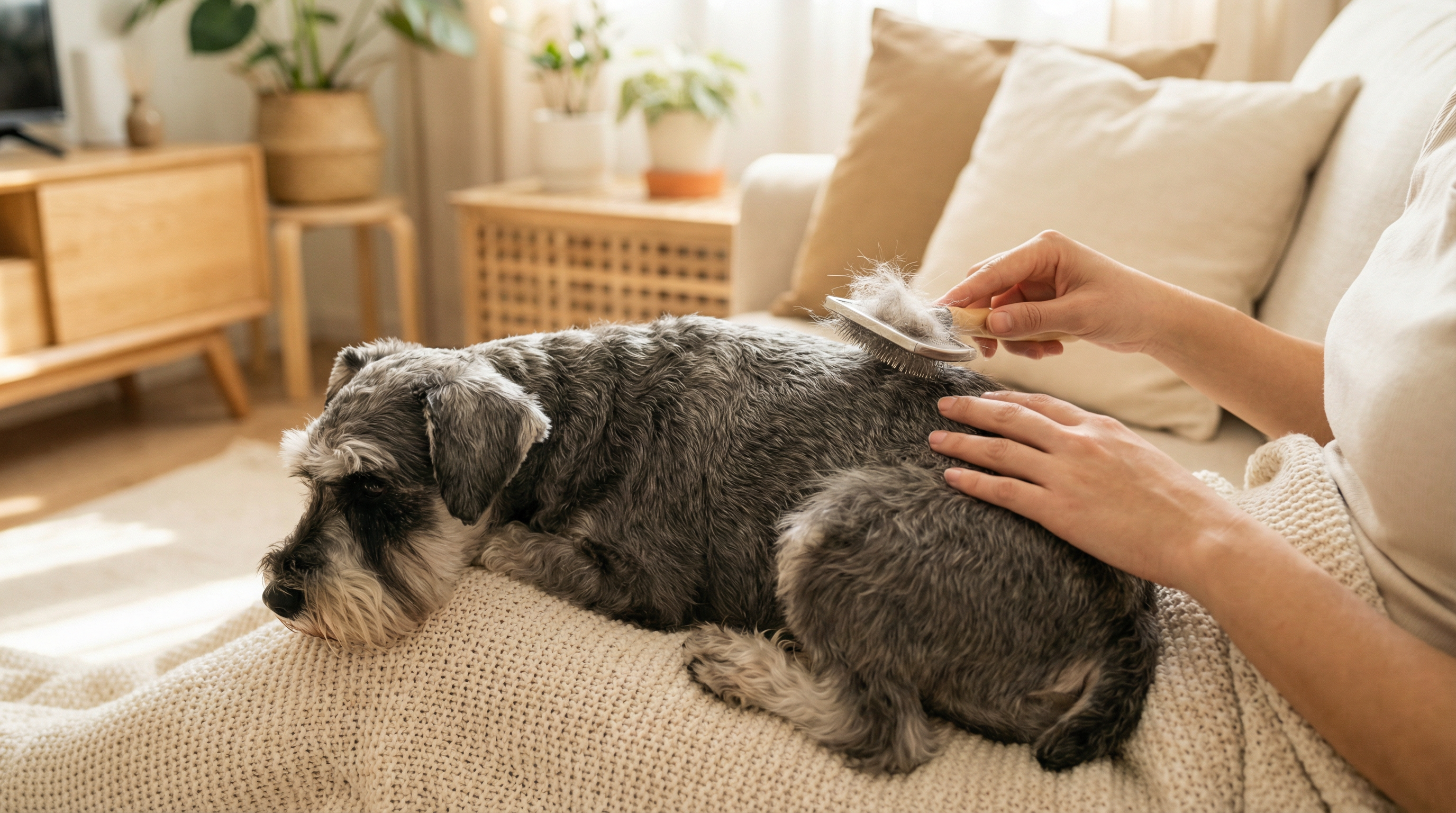
If you value a fur-free home, neither of these breeds is ideal, but the German Shepherd is in a league of its own. Often nicknamed the "German Shedder," they have a thick double coat that drops hair constantly. You will find "tumbleweeds" of fur in every corner of your house, regardless of how often you vacuum. They require at least three thorough brushings a week to keep the shedding under control.
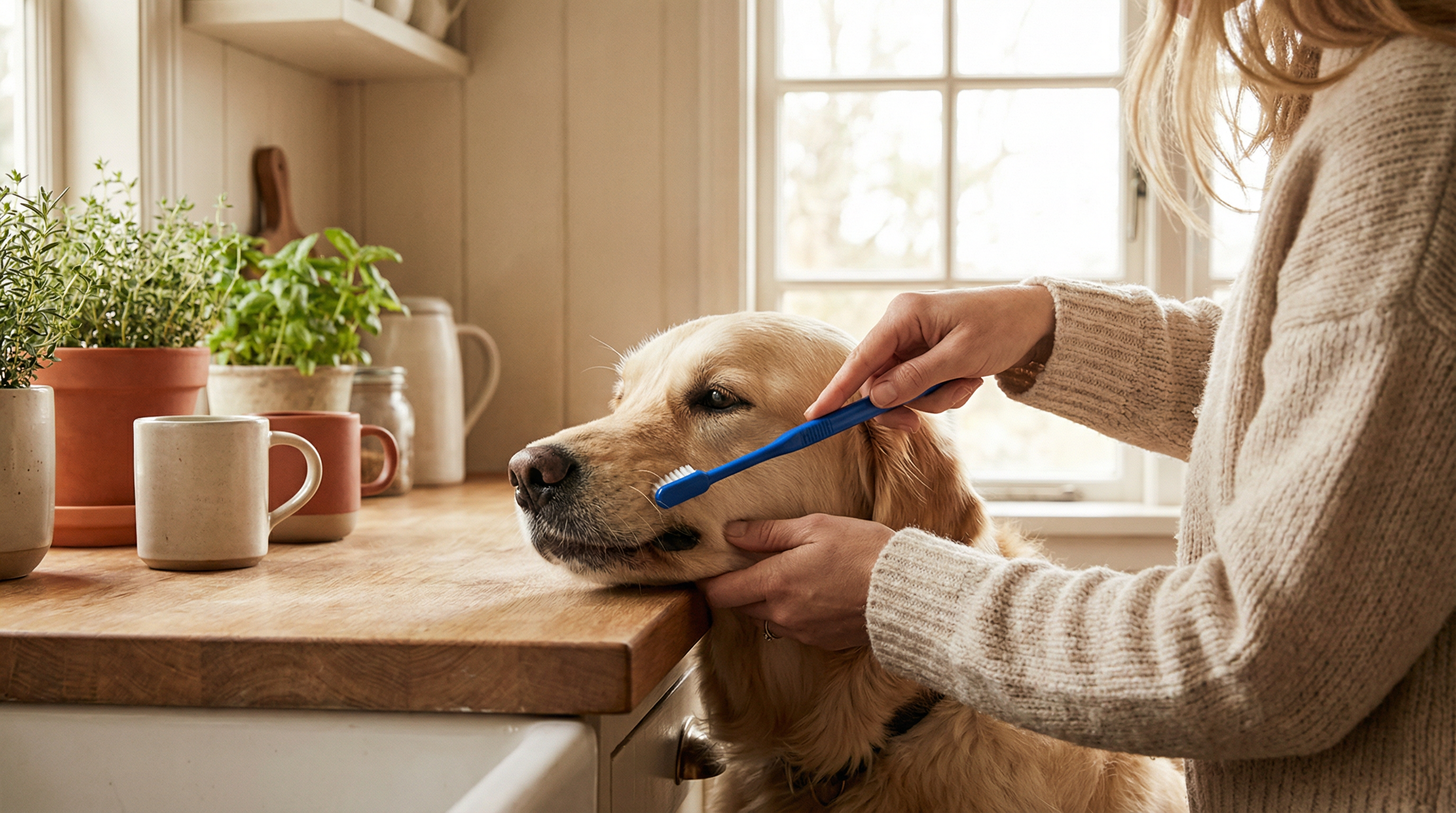
The Belgian Malinois has a shorter, denser coat that is much easier to manage. While they still shed, it isn't the constant deluge that GSD owners face. A quick weekly brushing is usually enough to keep them looking sharp. However, both breeds require regular nail trims, ear cleaning, and dental care to stay in top shape.
Exercise Needs and Mental Stimulation
Exercise for these breeds isn't just a walk around the block; it's a lifestyle commitment. A German Shepherd needs at least 60 to 90 minutes of vigorous activity every day—think hiking, long-distance fetching, or agility training. Without it, they can become destructive or develop obsessive behaviors like tail-chasing or excessive barking.
For a Belgian Malinois, 90 minutes is just the warm-up. These dogs thrive on "jobs." They need intense physical exercise combined with high-level mental stimulation. Many Malinois owners participate in sports like Schutzhund (IGP), French Ring, or Agility to keep their dogs satisfied. If a Malinois is bored, they will find their own "job," which might involve dismantling your sofa or jumping a six-foot fence to see what the neighbors are doing.
Cost of Ownership: Beyond the Puppy Price
The initial cost of a puppy can vary wildly, with German Shepherds often ranging from $2,500 to $4,500 for a well-bred companion. Belgian Malinois can sometimes be found for less, but high-end working lines can reach $9,000 or more. However, the real cost lies in the long-term maintenance.
German Shepherds often incur higher veterinary bills due to their orthopedic issues and susceptibility to certain conditions. On the other hand, Malinois owners often spend more on professional training, high-end equipment, and specialized sports. Both breeds require high-quality nutrition to support their active lifestyles, so expect your monthly food bill to be a significant line item in your budget.
Recommendation Framework: Which Is Right for You?
Choosing between these two incredible breeds comes down to a honest assessment of your lifestyle and experience level.
You should choose a German Shepherd if:
* You want a loyal, protective family companion.
* You have experience with large, intelligent breeds but aren't a professional trainer.
* You enjoy an active lifestyle but also appreciate a dog that can relax at home.
* You don't mind a significant amount of shedding and potential health hurdles.
You should choose a Belgian Malinois if:
* Your life revolves around dog training and high-intensity activities.
* You are looking for a world-class working partner for sports or protection.
* You have a "job" for the dog to do every single day.
* You are prepared for a "velcro dog" that requires constant mental and physical engagement.
* You are an advanced handler who understands the nuances of high-drive, sensitive breeds.
Daniella’s Verdict: The Bottom Line
While I absolutely adore the speed and precision of the Belgian Malinois, they are truly "too much dog" for 99% of households. They are professional-grade athletes that require a professional-grade commitment. For most dog lovers looking for a protective, intelligent, and versatile companion, the German Shepherd remains the superior choice for a family home. They offer the perfect balance of working drive and companionability, provided you are prepared for the "fur-nado" that comes with them!