Dog Dental Care: The Complete Guide to Keeping Your Dog's Teeth Clean

Dental disease affects 80% of dogs by age 3 - and most owners don't know it's happening. Daniella's complete guide to dog dental care covers everything from brushing to professional cleanings.
The Scale of the Problem
The American Veterinary Dental Society estimates that 80% of dogs show signs of periodontal disease by age 3. Periodontal disease begins with plaque - a sticky film of bacteria that forms on teeth within hours of eating. If not removed, plaque mineralizes into tartar (calculus) within 3-5 days. Tartar causes gum inflammation (gingivitis), which progresses to periodontal disease - infection of the structures supporting the teeth.
Left untreated, periodontal disease causes chronic pain, tooth loss, and can allow bacteria to enter the bloodstream, contributing to heart, kidney, and liver disease. The tragedy is that it's almost entirely preventable.
The Gold Standard: Daily Brushing
Daily brushing is the most effective way to prevent dental disease. It removes plaque before it mineralizes into tartar. The technique matters: use a 45-degree angle to the gum line, use small circular motions, and focus on the outer surfaces of the back teeth (where tartar accumulates fastest).
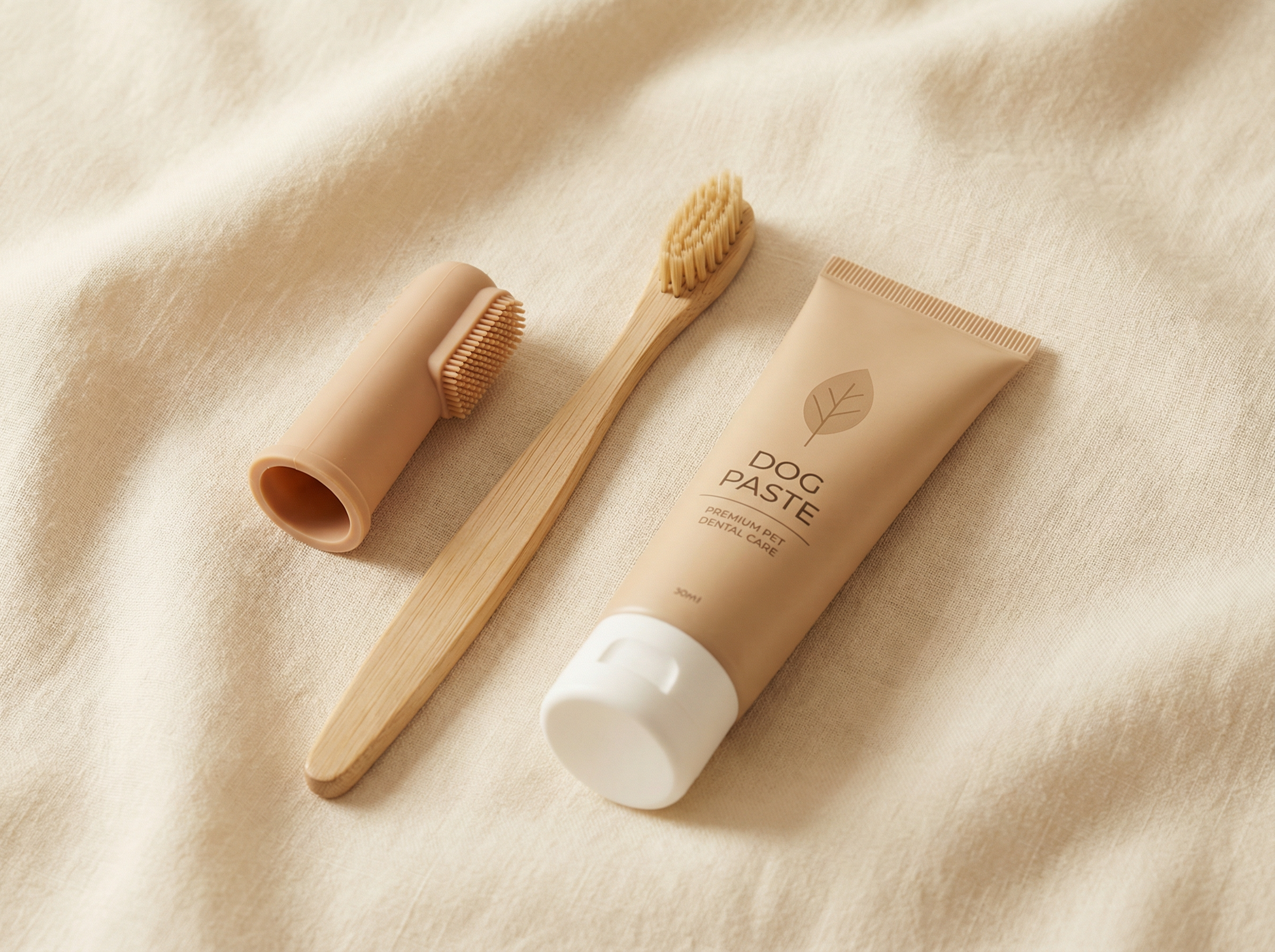
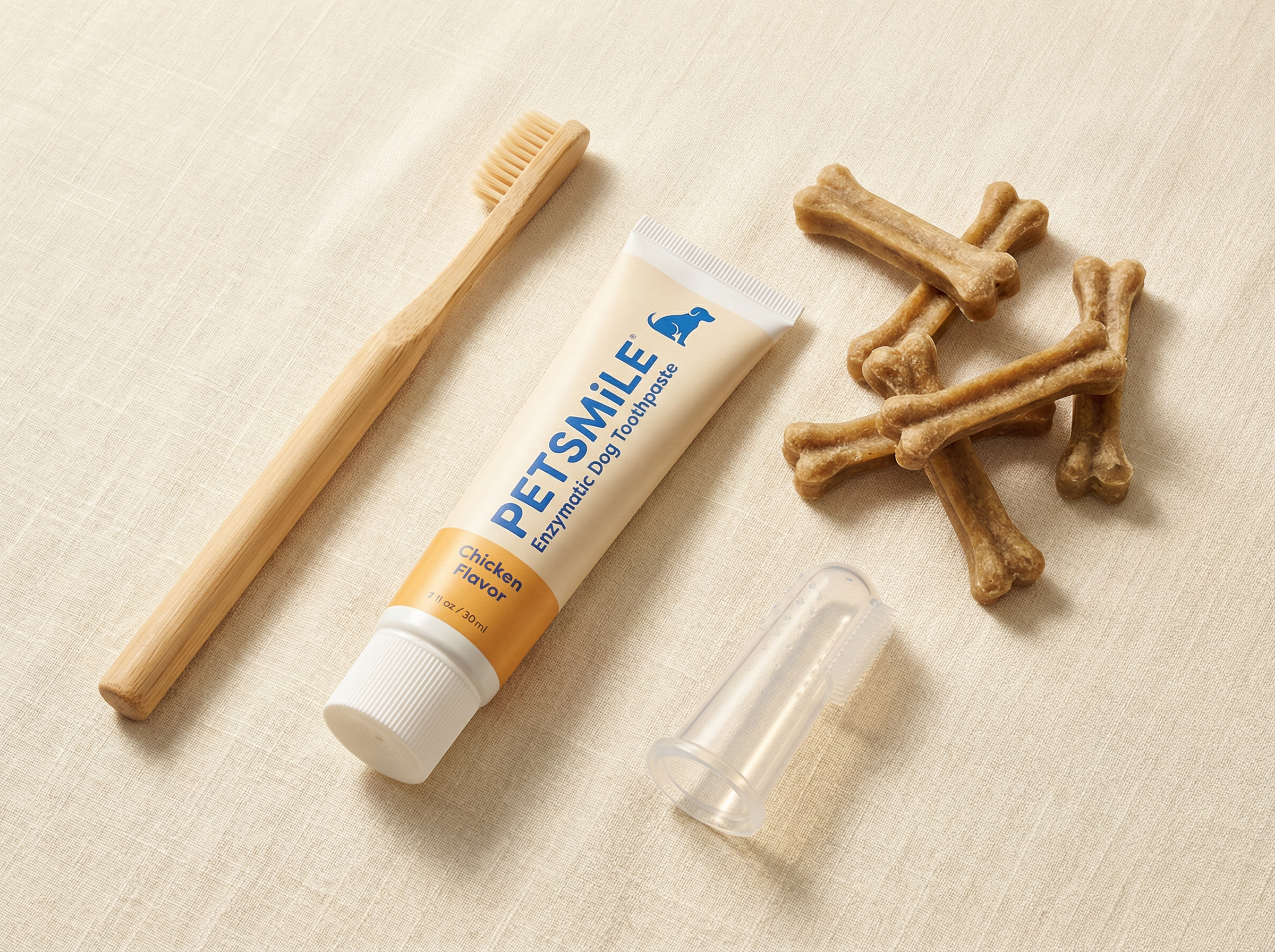
Use only dog-specific toothpaste - human toothpaste contains fluoride and xylitol, both toxic to dogs. Virbac C.E.T. Enzymatic Toothpaste is the most effective option - the enzymes continue working after brushing to break down plaque. Most dogs love the poultry or vanilla-mint flavor.
If your dog has never had their teeth brushed, start slowly. Let them lick toothpaste off your finger for a few days, then introduce a finger brush, then a handled toothbrush. The process takes 2-4 weeks but is worth the effort.
Dental Chews: A Useful Supplement, Not a Replacement
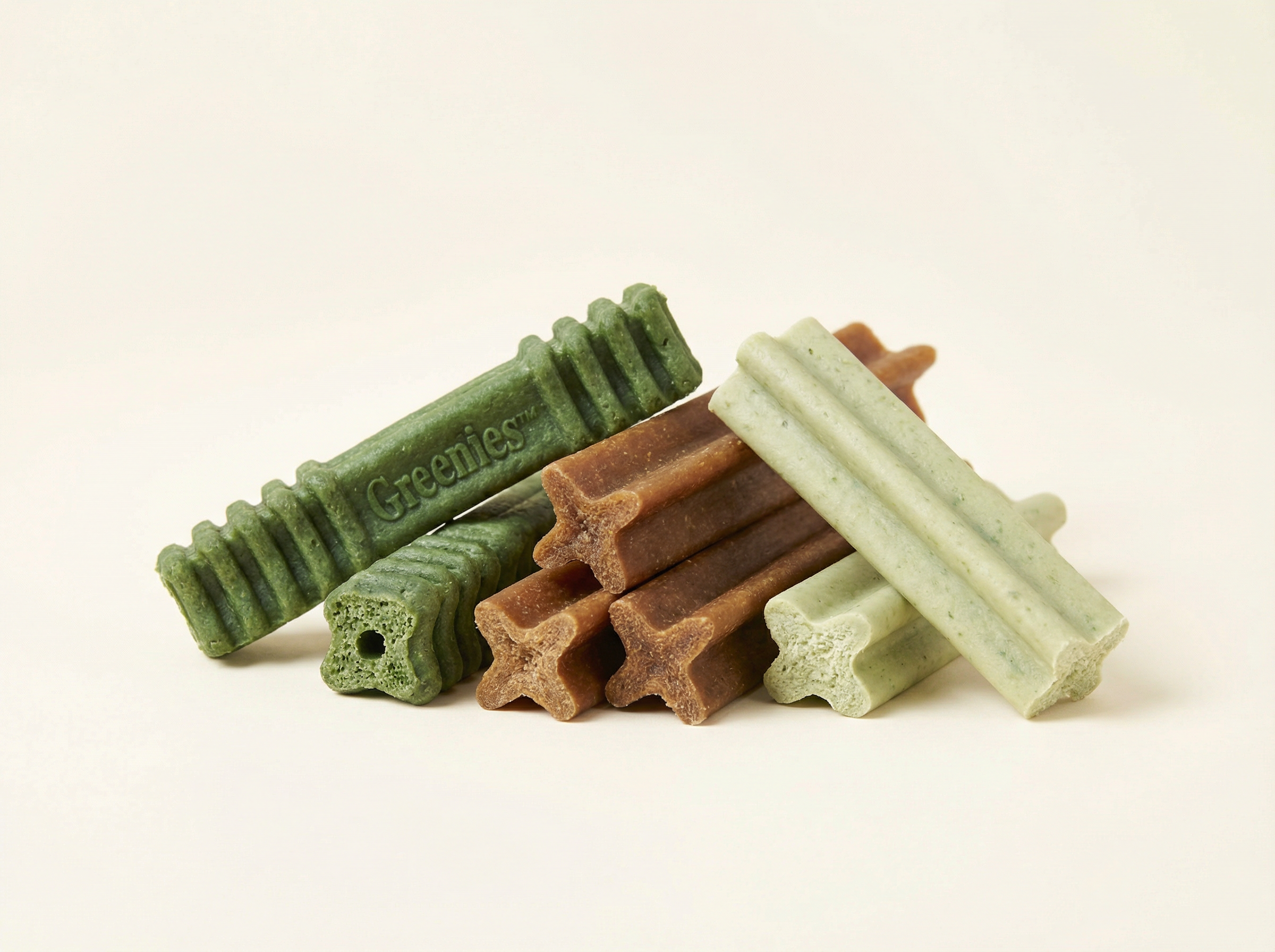
Dental chews work through mechanical abrasion - the chewing action scrapes plaque from the tooth surface. They're significantly less effective than brushing, but they're much better than nothing. Look for chews with the VOHC (Veterinary Oral Health Council) seal - this means they've been independently tested and proven to reduce plaque or tartar.
Pedigree Dentastix carry the VOHC seal and are the most widely available VOHC-approved dental chew. Give one daily as a supplement to brushing, not a replacement.
Water Additives: Convenient but Limited
Water additives (like Oxyfresh Pet Dental Water Additive) are added to your dog's drinking water and claim to reduce plaque and freshen breath. They're convenient and some dogs show modest improvements, but the evidence is weaker than for brushing or dental chews. They're a reasonable addition to a dental care routine but shouldn't be your primary strategy.
Professional Dental Cleanings
Even with daily brushing, most dogs need a professional dental cleaning every 1-3 years. Professional cleanings are performed under general anesthesia and include scaling (removing tartar above and below the gum line), polishing, and dental X-rays to check for problems below the gum line.
The cost ranges from $300-$800 depending on your location and the extent of cleaning needed. It's a significant expense, but far less than treating advanced periodontal disease or extracting multiple teeth.
Signs Your Dog Needs a Dental Check
See your vet if you notice: bad breath (beyond normal "dog breath"), yellow or brown tartar buildup on teeth, red, swollen, or bleeding gums, loose teeth, difficulty eating, pawing at the mouth, or drooling more than usual.
Building a Dental Care Routine
The ideal routine: brush daily (or at minimum 3 times per week), give a VOHC-approved dental chew daily, add a water additive if convenient, and schedule a professional cleaning every 1-2 years. Start when your dog is a puppy if possible - adult dogs can learn to tolerate brushing, but it takes more patience.
The Bottom Line
Daily brushing is non-negotiable for serious dental health. Everything else - dental chews, water additives, dental diets - is supplementary. Start with the Arm & Hammer Dog Dental Kit to establish the habit, then upgrade to Virbac C.E.T. Enzymatic Toothpaste for maximum effectiveness.
Products Daniella Recommends
Affiliate links — we may earn a commission at no extra cost to you. Disclosure