Is My Dog Smiling?

If we were to ask our friends and family if they think their dog smiles, every dog lover would say yes. But do dogs really smile? The science is fascinating.
Have you ever looked at your pup and thought, oh my goodness, they are literally smiling at me? As a mini dachshund mom to my sweet boy, I see it all the time. Whether we are out for a sunny walk in the park or I have just walked through the front door after a long day, there is that unmistakable look: mouth slightly open, tongue peeking out, and eyes just sparkling with joy. But as much as we want to believe our dogs are sharing a human-style grin, the science behind those adorable faces is actually a lot more fascinating than a simple mimicry of our own smiles.
Back in 2024, we mostly talked about how dogs might be trying to copy us. But as of April 2026, new research has given us a much clearer picture of what is happening when our dogs "smile." It turns out that while it might look like a human grin, it is actually a complex set of "Action Units" that dogs use to communicate their internal state of happiness and anticipation.
The Science of the Canine Smile
According to a groundbreaking 2026 study published in Applied Animal Behaviour Science, researchers have identified specific facial movements that dogs consistently show when they are experiencing something rewarding, like their favorite treat or a beloved toy. They used a system called DogFACS (Dog Facial Action Coding System) to break down these expressions.
The study found that both male and female dogs show a specific combination of movements when they are happy: their lips part (AU25), their jaw drops slightly (AU26), their tongue shows (AD19), and their ears move toward each other in a gesture called "ear adduction" (EAD102). When you see these four things together, your dog is not just panting; they are genuinely responding to a rewarding stimulus.
Interestingly, the research also found that male dogs tend to be a bit more expressive than females over longer periods. Males showed additional signs like nose wrinkling and upper lip raising (AU109 and AU110) throughout their "happy" moments, while females tended to show their biggest expressions right at the beginning of a fun event. So, if your boy dog seems to be grinning for the entire duration of a play session, science says that is perfectly normal!
Smile vs. Submissive Grin: How to Tell
It is important to remember that not every showing of teeth is a happy smile. One of the most common things dog owners get confused by is the "submissive grin." This is something many dogs, especially sensitive breeds, do when they want to show they are friendly and not a threat.
The Happy Smile
A true happy smile is relaxed. The eyes are soft or squinty, the ears are either neutral or pulled slightly back (that ear adduction we mentioned), and the body is wiggly. The mouth is open, but the muscles around the muzzle are loose. This is the look of a dog who is having the time of their life.
The Submissive Grin
A submissive grin can look a bit more like a snarl because the dog pulls their lips straight up to show their front teeth (incisors and canines). However, the rest of the body language tells a different story. The dog might lower their head, squint their eyes, or even sneeze. It is their way of saying, "I am a friend, please be nice to me!" It is common when a dog is greeting someone new or if they think they might be in a little bit of trouble.
The Stress Pant
Sometimes, a "smile" is actually a sign of stress. If the mouth is open but the corners of the lips (the commissures) are pulled far back and the panting is very rapid, your dog might be feeling anxious or overheated. Look for "stress wrinkles" around the eyes and a tense body.
Do They Really Feel Happiness?
The big question everyone asks is: does the smile mean they are actually happy? The answer from the latest 2025 and 2026 veterinary research is a resounding yes! Studies using fMRI scans have shown that a dog's brain lights up in the same reward centers as a human's when they see their owner's happy face or hear a joyful tone of voice.
Dogs are masters of reading our emotions. They have evolved alongside us for thousands of years to the point where they can distinguish between a happy human face and an angry one. When we smile at them, they feel that positive energy and often reflect it back to us with their own version of a smile. It is a beautiful, biological feedback loop of love.
Takeaways for Dog Parents
Understanding your dog's facial expressions helps you bond even more deeply with them. Here are a few things to keep in mind next time you see that "grin":
Check the whole body: A smile is never just about the mouth. Look for a wagging tail, relaxed ears, and a wiggly "kidney bean" body.
Know the context: Is your dog "smiling" because you just grabbed the leash? That is likely a reward-based expression of anticipation. Are they "smiling" after they knocked over a vase? That might be a submissive grin.
Respect the space: If you see a dog you don't know "smiling" but their body is stiff, give them space. They might be showing a "warning" grin rather than a happy one.
At the end of the day, whether it is a biological "Action Unit" or a heartfelt expression of love, that doggy smile is one of the best parts of being a pet parent. My dachshund's grin is the highlight of my morning, and now I know that when he does it, his brain is just as full of joy as mine is. Keep those tails wagging and those "smiles" coming!
Products Daniella Recommends

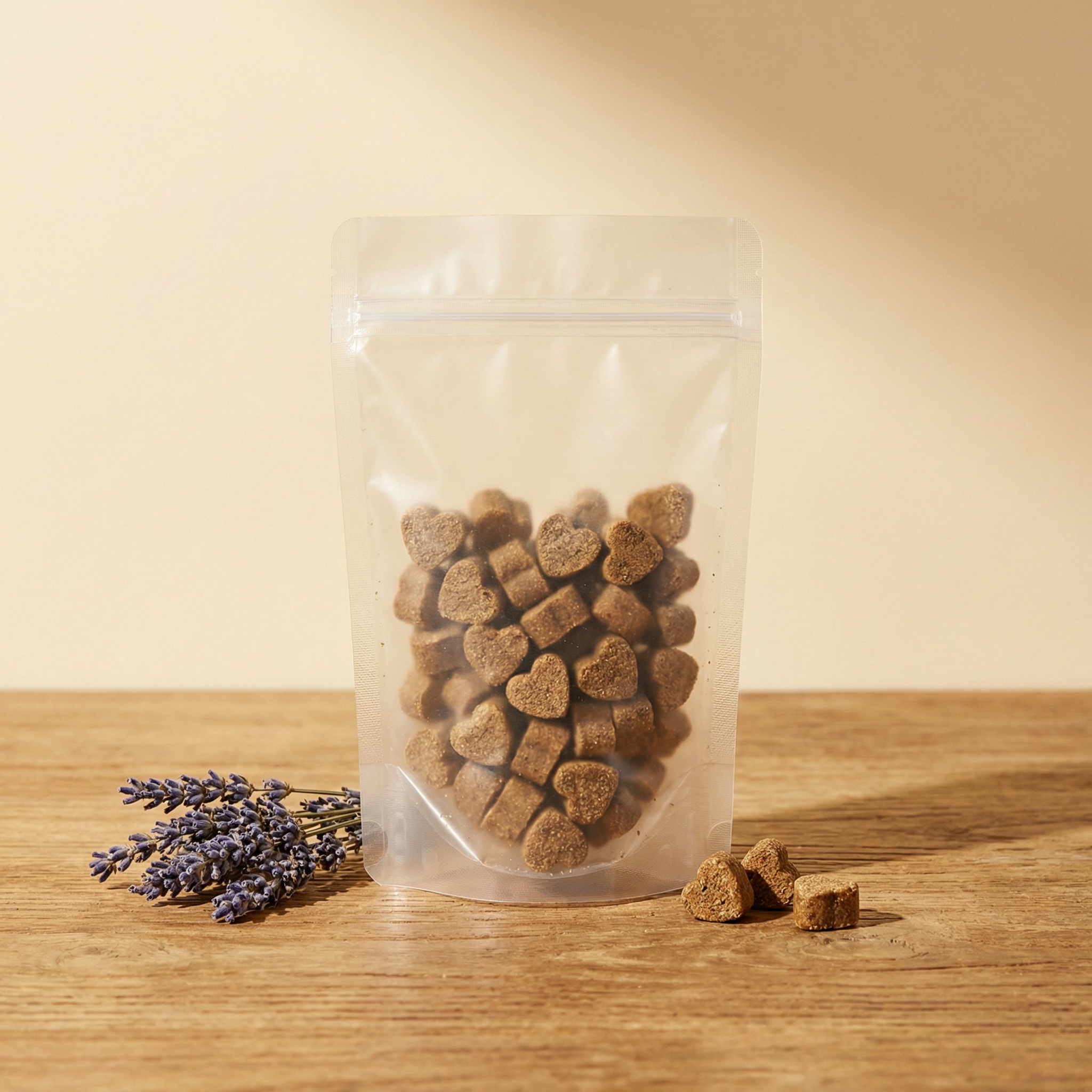
Affiliate links — we may earn a commission at no extra cost to you. Disclosure