Dachshund Back Problems: IVDD Prevention, Symptoms, and Recovery Guide

1 in 4 Dachshunds face IVDD. Learn the early warning signs, prevention strategies like ramps and weight care, and what to expect from surgery and recovery.
Dachshund Back Problems: IVDD Prevention, Symptoms, and Recovery Guide
As a mini dachshund owner, I’ve spent a lot of time in waiting rooms and talking to vets about the unique health challenges our beloved "long and low" friends face. While my own pups have their own quirks, there is one condition that strikes fear into the heart of every Dachshund owner: Intervertebral Disc Disease, or IVDD. It is a heartbreaking reality that roughly one in four Dachshunds will experience some form of IVDD in their lifetime. Because of their iconic long spines and short legs, these "wiener dogs" are genetically predisposed to spinal issues that can range from mild discomfort to sudden paralysis.
At Leashes & Lattes, we believe that knowledge is the best tool for prevention. Understanding the "why" and "how" of IVDD can help you catch early warning signs, implement lifestyle changes that save your dog’s spine, and prepare for the road to recovery if the unthinkable happens. In this guide, we’ll dive deep into everything you need to know about Dachshund back health, from the first yelp to the final steps of rehabilitation.
What Exactly is IVDD?
Intervertebral Disc Disease is a condition where the cushioning discs between the vertebrae of the spinal column either bulge or burst (herniate) into the spinal cord space. Think of these discs like jelly donuts; they are meant to absorb shock and provide flexibility. In Dachshunds, these discs can lose their moisture and harden (calcify) much earlier than in other breeds. When a disc herniates, it presses against the spinal cord, causing pain, nerve damage, and in severe cases, a total loss of motor function.
| Stage | Severity | Typical Symptoms |
|---|---|---|
| Stage 1 | Mild | Mild pain, reluctant to move, localized sensitivity. |
| Stage 2 | Moderate | Significant pain, "drunk" walking, hind leg weakness. |
| Stage 3 | Severe | Partial paralysis, unable to stand, "knuckling" paws. |
| Stage 4 | Critical | Deep pain sensation present, but total paralysis of hind legs. |
| Stage 5 | Emergency | No deep pain sensation, total paralysis, loss of bladder control. |
Recognizing the Early Warning Signs
The key to a successful outcome with IVDD is speed. The sooner you recognize that your Dachshund is in pain, the better their chances of a full recovery without surgery. Unlike a torn ligament or a broken bone, spinal issues can escalate from "stiff" to "paralyzed" in a matter of hours.
One of the most common early signs is a sudden reluctance to do things they usually love. If your Doxie is suddenly refusing to jump onto the couch, hesitant to climb stairs, or crying out when you try to pick them up, take it seriously. You might also notice a "hunched" or arched back, which is a sign they are trying to protect their spine from movement. Shivering or trembling, even when it’s warm, is another subtle indicator of intense internal pain.
Physical Indicators to Watch For
* Knuckling: This occurs when a dog walks on the tops of their paws instead of the pads. It indicates that the brain is losing the ability to communicate with the feet.
* Wobbly Gait: Often described as "walking like a drunk," this lack of coordination is a major red flag for spinal compression.
* Abdominal Tensing: A dog in back pain will often hold their stomach muscles very tight to stabilize their core.
Prevention Strategies: Protecting the Long Back
While genetics play a massive role in IVDD, our choices as owners can significantly reduce the mechanical stress on a Dachshund’s spine. Prevention isn't just about avoiding accidents; it’s about creating an environment where their back is supported every single day.
Say No to Stairs and Jumping
The single most impactful change you can make is installing ramps. Jumping off a couch or bed puts an incredible amount of "concussive" force on the intervertebral discs. Even climbing stairs can cause repetitive micro-trauma. By using ramps for the furniture your dog frequents, you eliminate these high-impact moments.
Weight Management is Non-Negotiable
Every extra ounce your Dachshund carries is extra weight their spine has to support. Maintaining a lean body condition is perhaps the most effective way to prevent IVDD. You should be able to feel your dog’s ribs easily and see a clear "waist" when looking at them from above. If your Doxie is looking a bit "sausage-like," it’s time to cut back on the treats and consult your vet about a weight-loss plan.
Use a Harness, Not a Collar
Pulling on a leash attached to a collar puts direct pressure on the neck (cervical spine). Dachshunds are prone to IVDD in both the mid-back (thoracolumbar) and the neck. A high-quality, Y-shaped harness distributes pressure across the chest and shoulders, keeping the spine neutral during walks.
Treatment Options: Surgery vs. Conservative Management
If your vet diagnoses IVDD, you will likely face a difficult choice: conservative management or surgical intervention. This decision usually depends on the "stage" of the disease and your financial situation.
Conservative Management
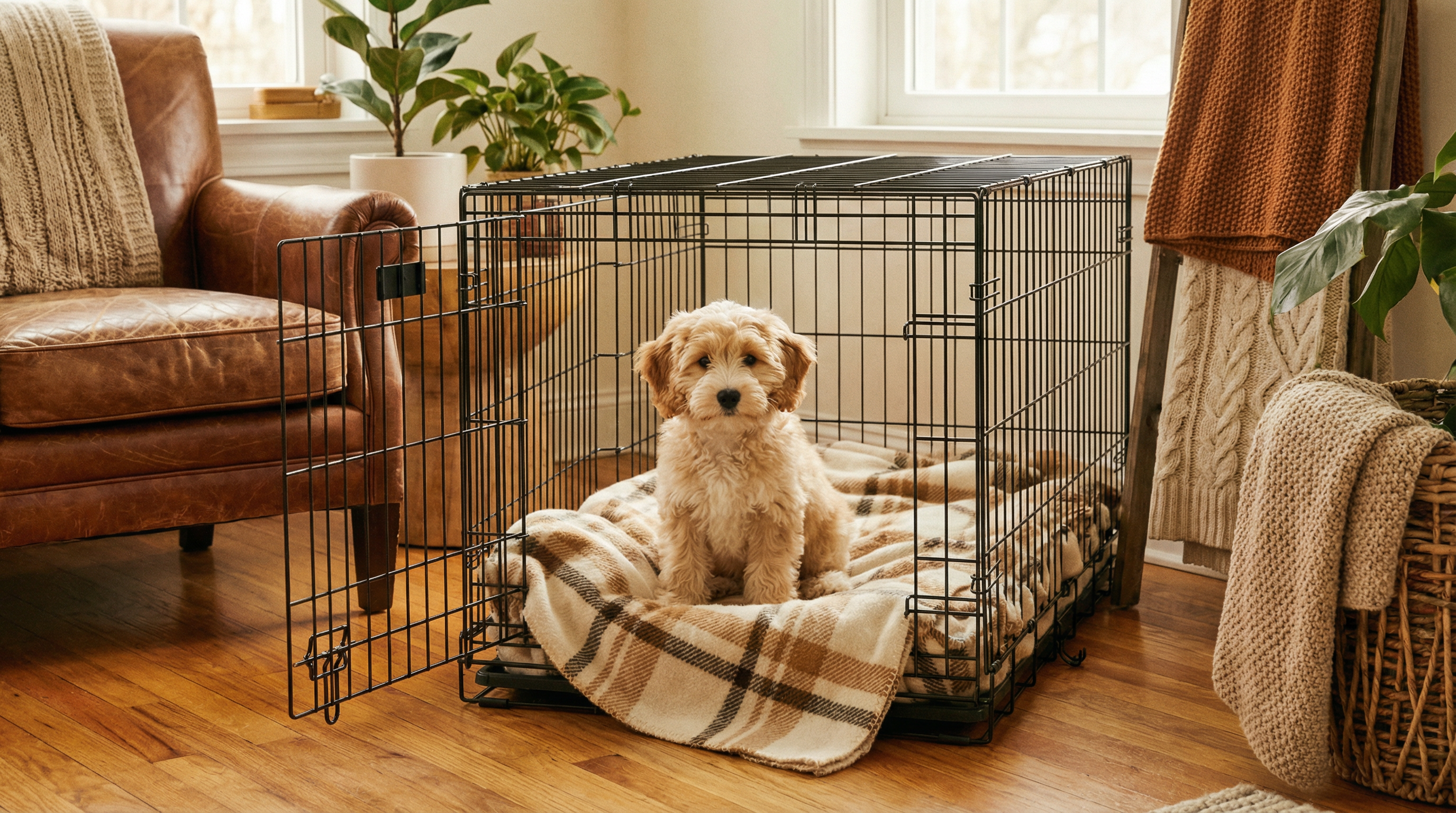
For Stage 1 and some Stage 2 cases, "crate rest" is the gold standard. This involves keeping your dog in a confined space (a crate or small pen) for 4 to 8 weeks. The goal is to allow the inflammation to subside and the disc to scar over naturally. This is usually paired with anti-inflammatory medications and pain relief. While it sounds difficult, strict confinement is the only way to ensure the disc doesn't herniate further.
Surgical Intervention
For Stage 3 and above, or for dogs that don't improve with rest, surgery is often the best path. A neurosurgeon will perform a hemilaminectomy, which involves removing a piece of the vertebrae to access and remove the disc material pressing on the spinal cord.
The Financial Reality: IVDD surgery is an expensive undertaking. Between the initial emergency visit, MRI or CT scans, the surgery itself, and post-operative care, costs typically range from $3,000 to $8,000. In major metropolitan areas or complex cases, this can even climb toward $10,000. This is why I always recommend pet insurance for Dachshund owners from day one.
The Road to Recovery: Timeline and Care
Recovery from IVDD is a marathon, not a sprint. Whether your dog had surgery or is undergoing conservative treatment, the first few weeks are critical. You will need to become an expert in "sling walking," using a towel or a specialized harness to support your dog’s hind end while they go potty.
| Timeframe | Focus Area | Key Activities |
|---|---|---|
| Weeks 1-2 | Inflammation Control | Strict crate rest, pain management, incision care. |
| Weeks 3-4 | Nerve Stimulation | Passive range of motion exercises, tickling paws. |
| Weeks 6-8 | Controlled Mobility | Very short, slow walks on a leash; hydrotherapy. |
| Month 3+ | Strengthening | Gradually increasing activity, laser therapy, lifelong ramp use. |
Supplements and Lifestyle Modifications
While supplements won't "fix" a herniated disc, they can support overall spinal health and reduce the chronic inflammation that often accompanies IVDD.
* Omega-3 Fatty Acids: High-quality fish oil is a potent natural anti-inflammatory. Look for supplements with high EPA and DHA levels to support nerve health and reduce joint pain.
* Glucosamine and Chondroitin: These are the building blocks of healthy cartilage. Since IVDD involves the degeneration of disc cartilage, providing these nutrients can help maintain the integrity of the remaining discs.
* MSM (Methylsulfonylmethane): Often paired with glucosamine, MSM is excellent for reducing muscle spasms and providing natural pain relief.
In addition to supplements, consider upgrading your dog’s sleeping arrangements. An orthopedic memory foam bed provides even support and prevents pressure points on the spine. Also, ensure that water and food bowls are slightly elevated so your Dachshund doesn't have to strain their neck to eat.
Daniella’s Verdict
Living with a Dachshund means living with the "shadow" of IVDD, but it doesn't have to be a source of constant anxiety. By being proactive—using ramps, keeping them lean, and knowing the early signs—you are giving your pup the best possible chance at a long, mobile life. If you ever see your dog wobbling or acting painful, don't "wait and see." Every hour matters when it comes to spinal health. Stay vigilant, keep those backs horizontal, and give your long-bodied friend an extra (gentle) scratch behind the ears today!
Recommended Products for Dachshund Back Health
- 1DachRamp Adjustable Pet Ramp - A sturdy, adjustable ramp designed specifically for the length and height of Dachshunds to prevent jumping.
- 2Nutramax Dasuquin with MSM Joint Supplement - A vet-recommended formula that combines glucosamine, chondroitin, and MSM for comprehensive joint and spinal support.
- 3Big Barker Orthopedic Dog Bed (Small/Medium) - Features therapeutic foam that won't flatten over time, providing essential support for a sensitive spine.
- 4Ruffwear Front Range Dog Harness - A padded, comfortable harness that pulls from the chest rather than the neck, protecting the cervical spine.
- 5Nordic Naturals Omega-3 Pet - High-potency fish oil to help manage inflammation and support neurological function.